

Session 1.
Game Option #1.
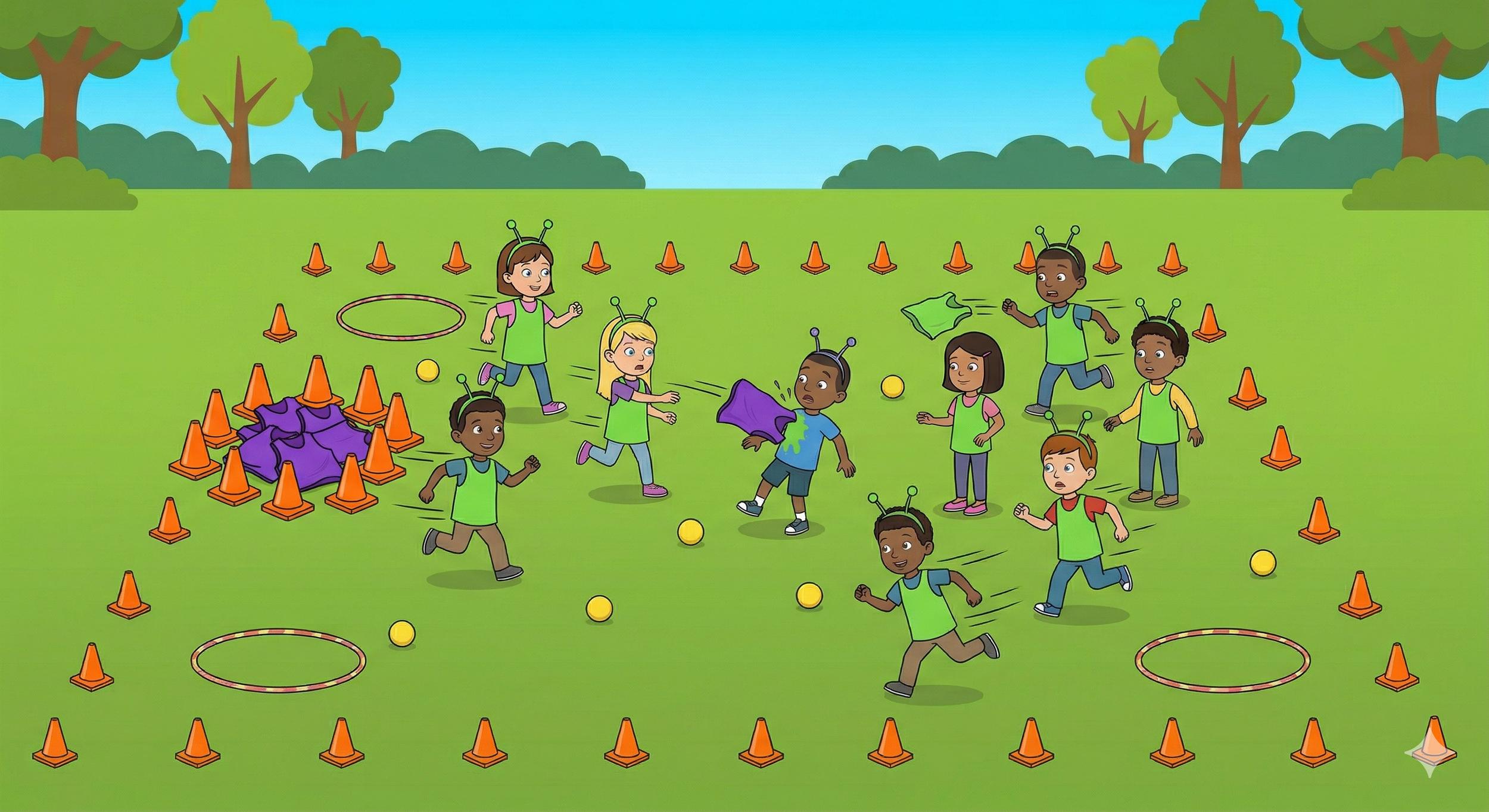
Alien Splat - 15/20 minutes
Setup
Playing Area Around 20×20/30×30: Adjust the size of the area based on how many students are playing.
Aliens: Choose a few students to be the "Aliens."
Story: Explain to the students that aliens have landed on Earth! The aliens are going to try to "splat" the Earth students by throwing pinnies (the "alien goo") at them.
How to Play (No Ball)
Safety First: Remind everyone that pinnies should only be thrown at the body, never at the head.
Start the Game: The aliens start throwing pinnies at the Earth students.
Splat!: If a student gets hit by a pinnie, they are "frozen." They must hold a ball above their head.
Unfreeze: A frozen student can only be unfrozen if a friend passes a ball between their legs.
Forcefields: Designate certain areas as "forcefields." If an Earth student dribbles into a forcefield, they are safe from the aliens for 5 seconds.
Adding the Ball
Give each Earth student a ball. They must dribble the ball while trying to avoid the alien goo.
The rest of the rules stay the same.
Additional Tips
Start Simple: Begin without the ball to make sure everyone understands the rules.
Adjust as Needed: If the game is too easy or too hard, change the number of aliens or the size of the playing area.
Make it Fun! Encourage the students to be creative and have a good time.
Progressions
Safe Zones with Risk
Add 2–3 hula hoops or cone circles as “Safe Zones.”
Max 1 students per zone
Only stay for 5 seconds
Multi-Ball Chaos
Add 3 foam balls into the game.
Earth players can pass or toss the balls to frozen teammates to unfreeze them.
Once a frozen player catches a ball, they are immediately unfrozen and can use it to help free another teammate.



Game Option #2.
Pizza Tag - 15/20 minutes
Set-up
Designate a playing area (adjust size depending on the number of students).
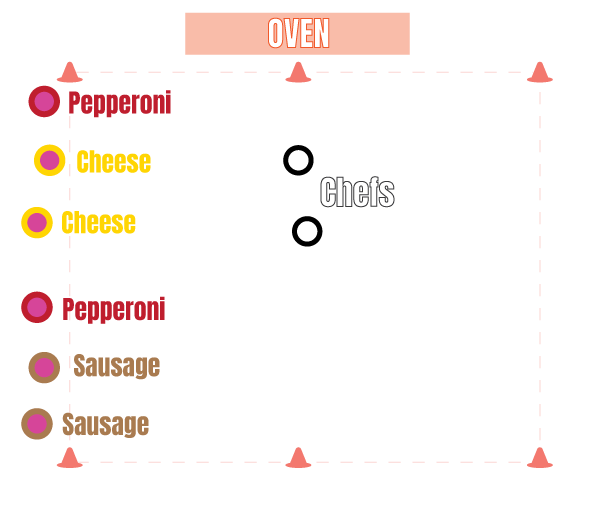
Choose 1-3 students to be the initial "chefs".
Have the rest of the students line up along one end line of the area.
Assign each student a pizza ingredient (e.g., cheese, pepperoni, pineapple, sausage, etc.). Try to have multiple students assigned to each ingredient.
How to Play (No Ball to begin)
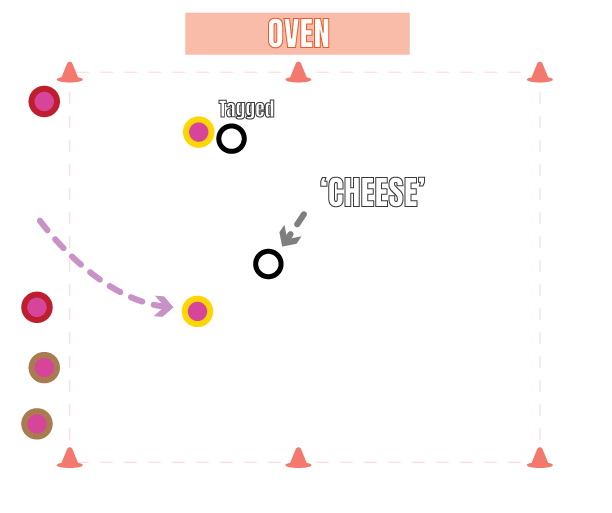
The chef(s) call out a pizza ingredient (e.g., "CHEESE!").
All students assigned that ingredient try to run to the opposite end line without getting tagged by a chef.
If a student is tagged, they become a chef.
Continue playing, with the chefs calling out different ingredients.
Add a Ball
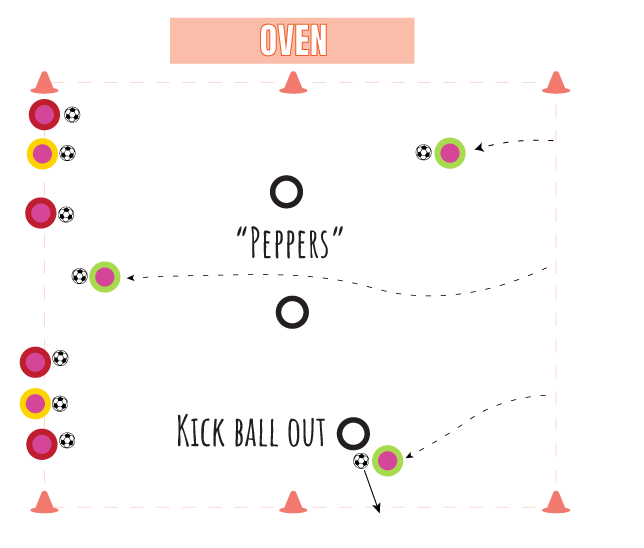
Each student who is not a chef gets a ball.
When their ingredient is called, they must dribble the ball across to the other side without getting tagged.
If they lose control of the ball or get tagged, they become a chef.
Tips & Considerations
Start without the ball to get everyone comfortable with the game.
Clearly explain the rules and ingredient assignments before starting.
Encourage the chefs to spread out and work together to tag the runners.
If the game becomes too easy or too difficult, adjust the number of chefs or the size of the playing area.
Make it fun! Use silly voices when calling out ingredients or add your own creative twists to the game.
Introduce New Conditions
To make the game fun, ask the kids for different ingredient options for the pizza. For instance, students may say gummy worms, potatoes, and lego. Add spots for players to stop the ball on so they can’t get caught by the chef.
Add hoops in the area that students can stop their ball in ‘the cupboard’ and hide in there for 5 seconds before moving.
If too many Chef’s, make them hold hands or have to dribble their own ball while attempting to kick balls out of other students.
Students can be in pairs with just one ball. They can dribble, and pass the ball to get it to the other side.



Scrimmages
Set Up
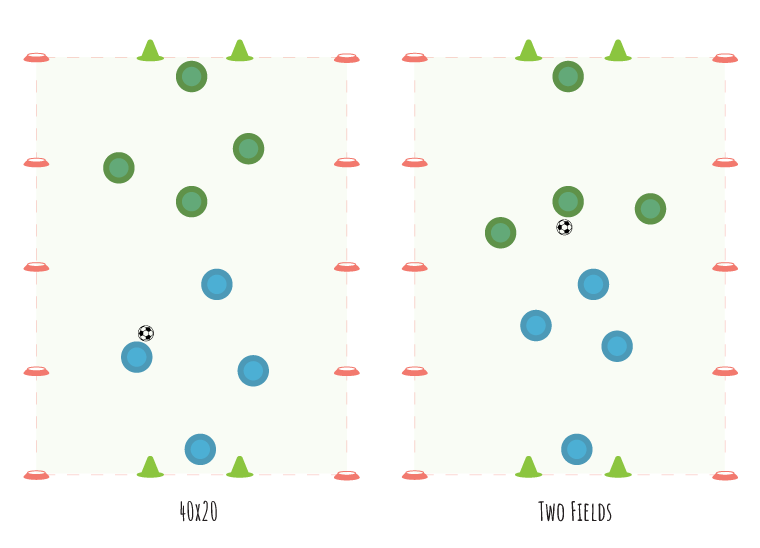
Divide the players into two groups and organize a 5v5/6v6 game on each field.
Use the bibs to clearly distinguish the teams.
Your Role
Facilitate Understanding: Make sure the players understand the basic rules of the game. Clarify any questions they have and ensure everyone is on the same page.
Skill Integration: At the beginning of each game, remind the players of the specific skill they practiced during the warm-up and the fun games. Encourage them to actively try and use that skill during the game. Example: If the games focused on dribbling, you might say something like, "Remember those dribbling moves we just practiced? Let's see you use them to get past defenders and create scoring chances!"
Additional Tips
Observe and Provide Feedback: Watch the games closely and offer positive feedback and constructive suggestions to individual players and teams.
Keep it Fun: Maintain a positive and encouraging atmosphere. The main goal is for the kids to enjoy playing and learning.
Be Flexible: Adjust the game format or rules if necessary to ensure everyone is engaged and having a good time.
Remember, your enthusiasm and guidance will go a long way in helping the players develop their skills and love for the game!
End Chat
Bring the group in at the end of the session and ask questions about the what they just worked on. Examples:
Q. What did you do in the session?
Q. What did you learn?
Give stickers out to kids who did well.
Choose a child who did a great job and they choose the end cheer for the group.